What is diabetes?
Diabetes mellitus is a chronic condition caused by abnormalities in the body’s production of insulin, the action of insulin, or both. This results in blood glucose levels that are higher than normal.
If blood glucose remains high for a long time and is not managed appropriately, it may affect blood vessels and nerves and increase the risk of complications involving organs such as the heart, kidneys, eyes, and feet.
One of the challenges of diabetes is that people with high blood glucose may not have clear symptoms, especially in the early stages. Screening in people at risk therefore plays an important role in identifying abnormalities early and supporting appropriate health planning.
How many types of diabetes are there?
There are several types of diabetes. The most common include:
1. Type 1 Diabetes
Type 1 diabetes occurs when the body’s immune system destroys beta cells in the pancreas, which are responsible for producing insulin. As a result, the body produces very little or no insulin.
People with type 1 diabetes need insulin to control blood glucose levels and prevent complications that may result from insulin deficiency.
Type 1 diabetes can develop in childhood or adolescence, but it can also occur in adults.
2. Type 2 Diabetes
Type 2 diabetes is the most common form of diabetes. It occurs when the body becomes less responsive to insulin, a condition known as insulin resistance, and over time the pancreas may not be able to produce enough insulin to meet the body’s needs.
Type 2 diabetes is common in adults but can also occur in younger people. Multiple factors are involved, including genetics, body weight, diet, and lifestyle.
3. Gestational Diabetes
Gestational diabetes is a condition in which blood glucose levels rise during pregnancy. It is partly related to hormonal changes and reduced insulin responsiveness during pregnancy.
This condition should be evaluated and monitored during pregnancy. In many people, blood glucose returns to the normal range after delivery. However, those who have had gestational diabetes have an increased future risk of developing type 2 diabetes and should receive follow-up testing as recommended by a doctor.
What is prediabetes?
Prediabetes is not a type of diabetes. It refers to a condition in which blood glucose levels are higher than normal but have not reached the diagnostic threshold for diabetes.
People with prediabetes may have no symptoms, but they have a higher risk of developing type 2 diabetes as well as an increased risk of cardiovascular disease.
Lifestyle changes such as appropriate eating habits, regular physical activity, and weight management can help reduce the risk of progression to type 2 diabetes and, in some people, may help blood glucose return to the normal range.
Risk factors for type 2 diabetes
Factors that may increase the risk of type 2 diabetes include:
- A family history of diabetes
- Overweight or obesity
- Low physical activity or a predominantly sedentary lifestyle
- High blood pressure
- Abnormal blood lipid levels
- A history of prediabetes
- A history of gestational diabetes
- Polycystic ovary syndrome (PCOS)
- Increasing age, especially when other risk factors are also present
Having risk factors does not mean that a person will necessarily develop diabetes, but it is a reason to pay attention to risk assessment and appropriate screening.
High and low blood glucose: what you should know
People with diabetes may experience both high blood glucose and low blood glucose, especially those taking certain glucose-lowering medications.
Low blood glucose (Hypoglycemia)
Hypoglycemia can occur, particularly in people with diabetes who use insulin or certain medications that increase insulin secretion.
Possible symptoms include:
- Sweating
- Trembling or shaking hands
- Palpitations
- Dizziness
- Headache
- Hunger or weakness
- Anxiety
- Reduced concentration or confusion
- Blurred vision
If blood glucose becomes very low, seizures or loss of consciousness may occur. Severe hypoglycemia is a medical emergency and should be treated appropriately.
High blood glucose (Hyperglycemia)
If blood glucose remains high for a long time, it may increase the risk of damage to blood vessels and nerves and lead to complications such as cardiovascular disease, diabetic kidney disease, eye complications, and foot problems.
When blood glucose becomes extremely high and severe, emergency conditions may occur, including:
Diabetic ketoacidosis (DKA), which is more common in people with type 1 diabetes but can also occur in people with type 2 diabetes.
And hyperosmolar hyperglycemic state (HHS), which is more commonly seen in people with type 2 diabetes.
Both conditions can be severe and life-threatening and therefore require urgent treatment.
Symptoms that may occur when blood glucose is high
Possible symptoms include:
- Increased thirst
- Frequent urination
- Tiredness or weakness
- Blurred vision
- Unintentional weight loss
- Dry mouth
- Nausea or vomiting
In cases of DKA, additional symptoms may include abdominal pain, rapid or difficult breathing, and fruity-smelling breath.
However, people with high blood glucose, especially in the early stages, may have no clear symptoms. Therefore, having no symptoms does not mean that there is no abnormality.
Why is early detection important?
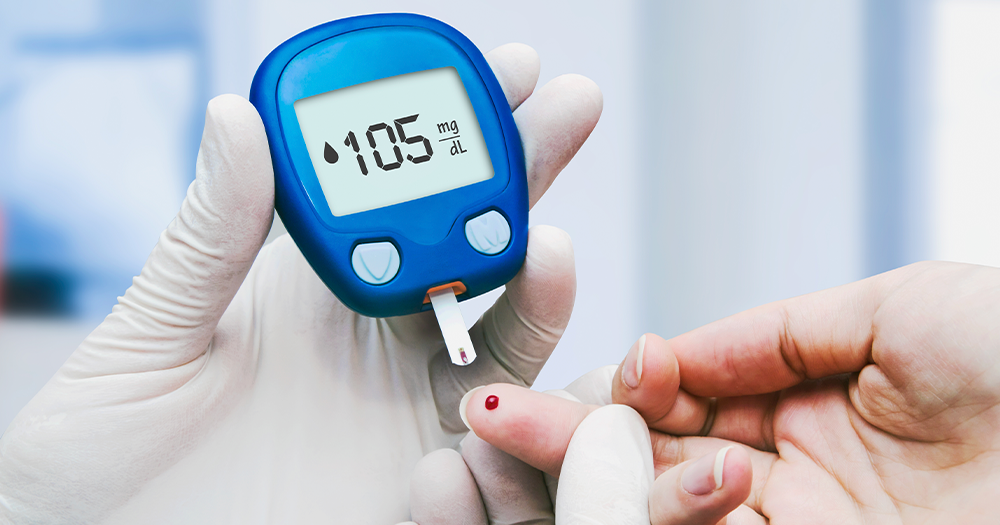
Blood glucose testing can help identify prediabetes or diabetes in people who do not yet have symptoms, especially those with risk factors.
Finding abnormalities early allows lifestyle changes and health planning to begin sooner and, when necessary, appropriate treatment can be started. This may help reduce the risk of long-term complications.
Tests used to assess blood glucose
1. Fasting blood glucose test
Fasting Plasma Glucose (FPG)
This measures blood glucose after fasting for at least 8 hours and is used to assess prediabetes and diabetes.
2. Glucose tolerance test
Oral Glucose Tolerance Test (OGTT)
This test measures blood glucose after fasting and after drinking a standardized glucose solution, with glucose levels then checked at specified time intervals.
This test can be used to assess prediabetes and diabetes and plays an important role in the evaluation of gestational diabetes.
3. Random blood glucose test
Random Plasma Glucose
This test can be performed without fasting and is used in the evaluation of people who have symptoms or are suspected of having diabetes.
4. HbA1c test
HbA1c (Hemoglobin A1c) measures the proportion of hemoglobin that is bound to glucose and reflects average blood glucose over approximately the previous 2–3 months.
In general, commonly used assessment ranges include:
- HbA1c below 5.7% – within the normal range
- HbA1c 5.7–6.4% – within the prediabetes range
- HbA1c 6.5% or higher – within the range that meets diagnostic criteria for diabetes
However, a diagnosis of diabetes should not be based on a test result alone. Symptoms, medical history, and other test results should also be considered as appropriate.
In people without symptoms, if a result meets diagnostic criteria, repeat confirmation may be required according to medical guidelines.
In addition, HbA1c may have limitations in certain conditions, such as those affecting red blood cell lifespan or involving hemoglobin abnormalities. A doctor should therefore consider the suitability of the test on an individual basis.
Who should pay particular attention to diabetes screening?
Screening may be especially important for people with risk factors such as:
- A family history of diabetes
- Overweight or obesity
- High blood pressure
- Abnormal blood lipid levels
- A history of prediabetes
- A history of gestational diabetes
- Polycystic ovary syndrome (PCOS)
- Low physical activity
- Other risk factors that a doctor considers an indication for testing
The appropriate age to begin screening and the frequency of testing may differ according to risk factors and the guideline used. A doctor should therefore be consulted to assess suitability on an individual basis.
Managing and controlling diabetes
Diabetes is a chronic condition that requires ongoing care. However, early detection, appropriate treatment, and lifestyle modification can help control blood glucose and reduce the risk of long-term complications.
Care may include:
- Eating a balanced diet appropriate to the individual’s health condition
- Exercising or engaging in regular physical activity
- Maintaining a body weight that is appropriate for the individual
- Taking medication or using insulin as recommended by a doctor
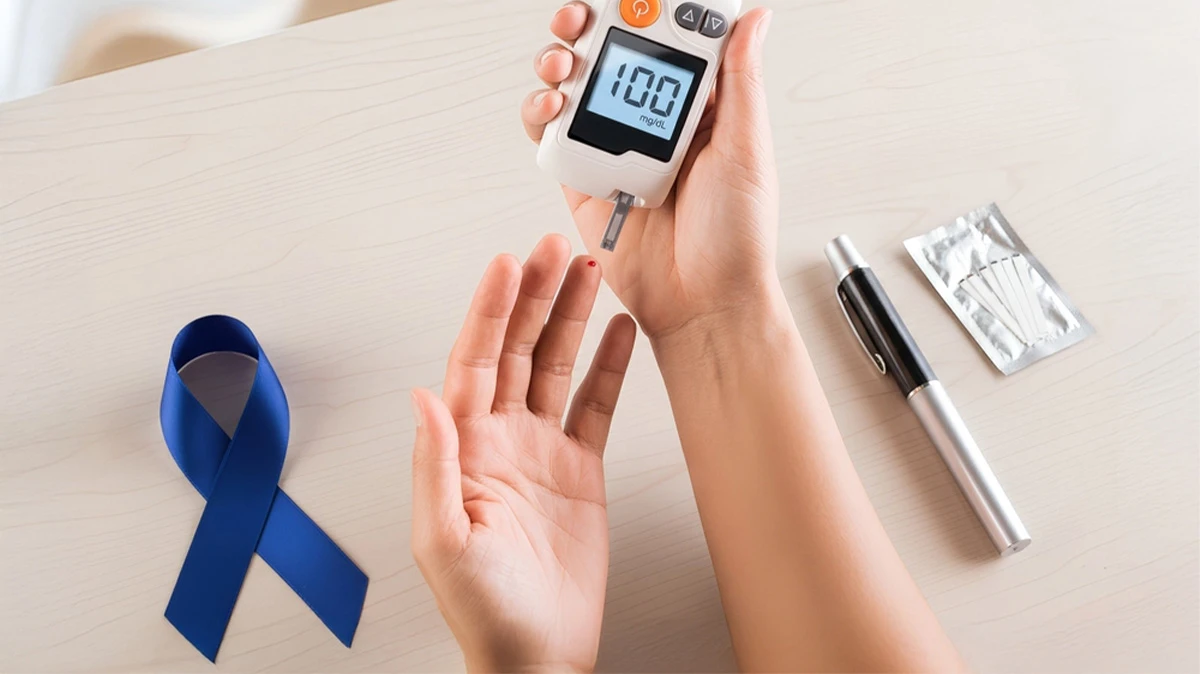
- Monitoring blood glucose as appropriate
- Receiving periodic monitoring for diabetes-related complications
- Consulting a doctor or dietitian to plan nutrition appropriate to the individual
The key is to understand your risk, detect abnormalities early, and maintain ongoing health care.
Screening in people at risk, together with appropriate eating habits, physical activity, and a healthy lifestyle, can help reduce the risk of type 2 diabetes and support health planning from an early stage.
Know your risk early, detect abnormalities promptly, and maintain continuous health care
Note: This information is provided for health education and cannot replace diagnosis or medical advice. Screening results should be evaluated by a doctor together with each individual’s history, symptoms, and health factors.