Japan is one of the countries with the highest life expectancy in the world. The factors associated with population health and longevity are diverse, including the health care system, economy, environment, genetics, as well as behavior and lifestyle.
In everyday life, some aspects of Japanese culture emphasize balanced eating, physical movement, hygiene, social relationships, and having purpose and meaning in life. These ideas do not mean that they directly cause longevity, but they can be adapted as part of health care and to support long-term quality of life.
Here are 10 ideas from the Japanese way of life that can be adapted to suit our everyday lives.
1. Eat a varied and balanced diet
One characteristic often seen in Japanese diets is an emphasis on variety and eating appropriate portions. Meals may include vegetables, fish, grains, beans, soy products, and a variety of minimally processed foods.
Eating a varied diet helps the body obtain essential nutrients from different food sources. At the same time, choosing foods that are less processed and controlling portion sizes are also part of long-term health care.
Tip: Try adding more variety to each meal, such as including more vegetables, choosing appropriate protein sources, and rotating foods instead of repeatedly eating the same dishes.
2. Find “Ikigai,” or what gives life meaning
Ikigai is a Japanese concept that can be described simply as “something that gives life meaning and makes us want to wake up and live each day.”
It may be work, family, relationships, hobbies, learning, or activities that we find valuable. It does not have to be a large or ambitious goal.
Some research has found an association between having purpose or meaning in life and better well-being and health outcomes. However, this association does not mean that Ikigai directly causes longevity.
Tip: Ask yourself, “What gives my life meaning?” and make regular time for it.
3. Eat in moderation
Hara hachi bu is a concept often associated with Japanese eating culture. It refers to stopping eating when you feel comfortably satisfied rather than eating until you feel overly full.
Although the idea of “80%” is not a medical standard for determining portion size for everyone, the key principle is to pay attention to the body’s hunger and fullness signals and avoid eating more than needed.
Tip: Eat more slowly, put down your spoon or pause between bites, and notice your level of fullness during the meal.
4. Spend time close to nature (Shinrin-yoku)
Shinrin-yoku, also known as Forest Bathing, is a concept from Japan that emphasizes spending mindful time in nature and noticing the surroundings, such as natural sounds, the smell of trees, the breeze, sunlight, and the atmosphere around you.
Some research has found that spending time in natural environments may be associated with feelings of relaxation and changes in certain stress-related indicators. However, outcomes may differ between individuals, and Shinrin-yoku should not be viewed as a treatment for disease.
Tip: If there is no forest near your home, the idea can be adapted to parks, green spaces, or other accessible natural areas, with an emphasis on walking and spending relaxed time in nature.
5. Value social relationships
Good relationships with family, friends, and people around us are important components of overall well-being. Opportunities to talk, share feelings, and participate in activities with others can support a sense of social connection and quality of life.
Japan has many activities and forms of social participation that reflect the importance of community and relationships between people. However, each person’s lifestyle is different.
Tip: Make regular time to talk or do activities with family and friends, whether by meeting in person, talking by phone, or communicating online.
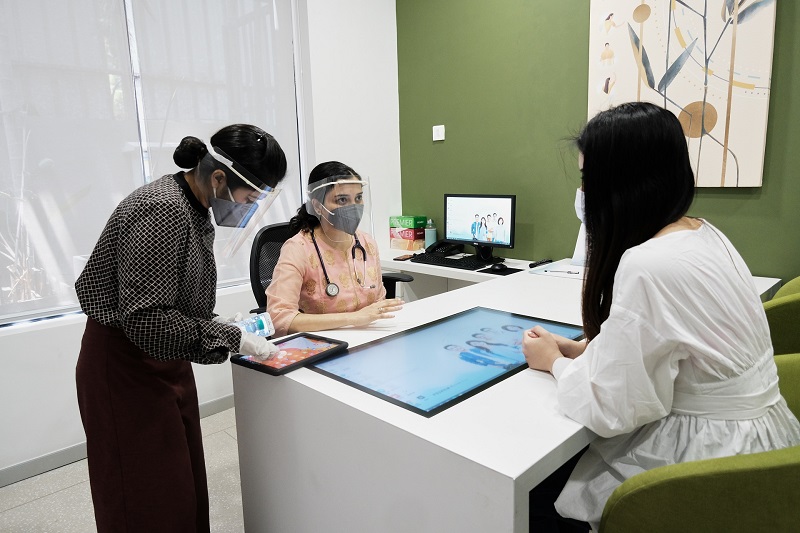
6. Have appropriate and regular health check-ups
Good health care is not only about eating well and exercising. It also includes monitoring health and appropriately assessing risk factors.
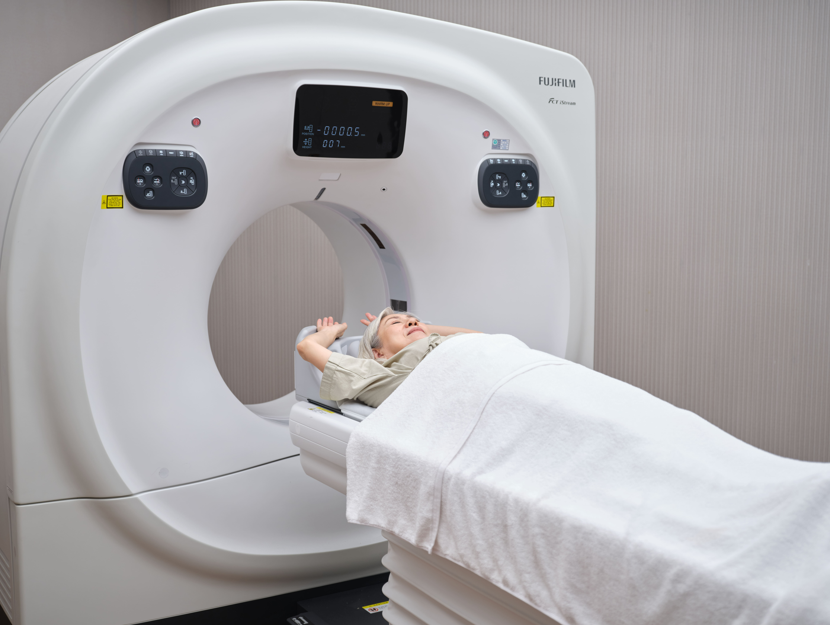
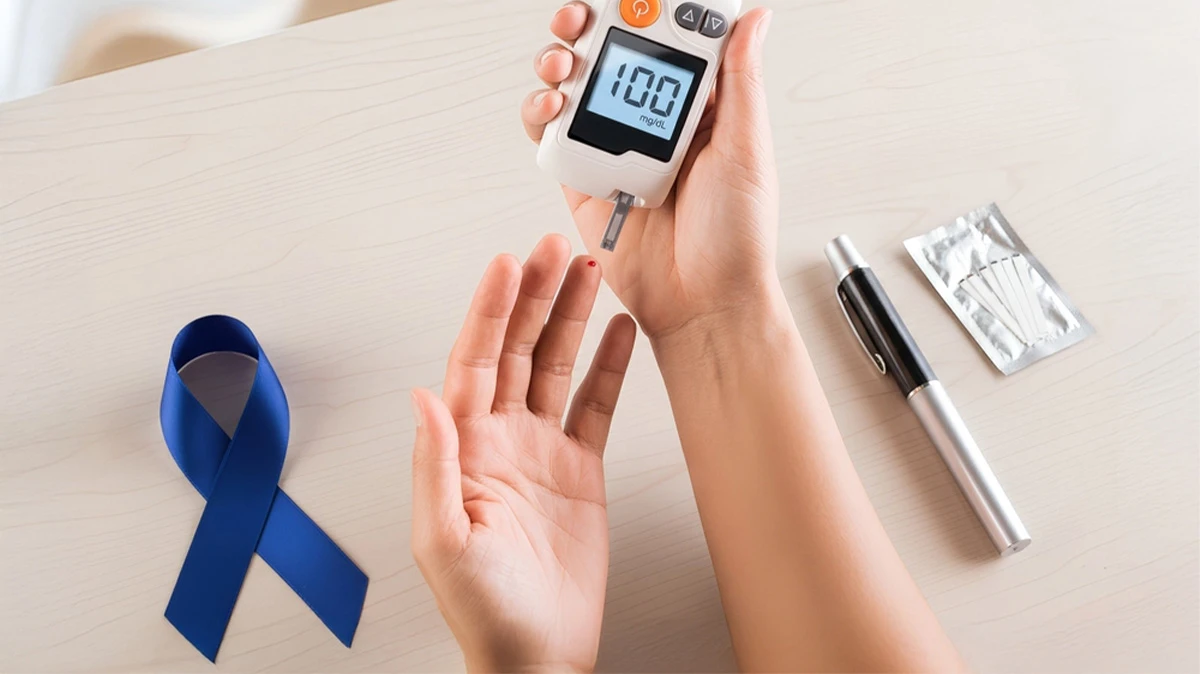
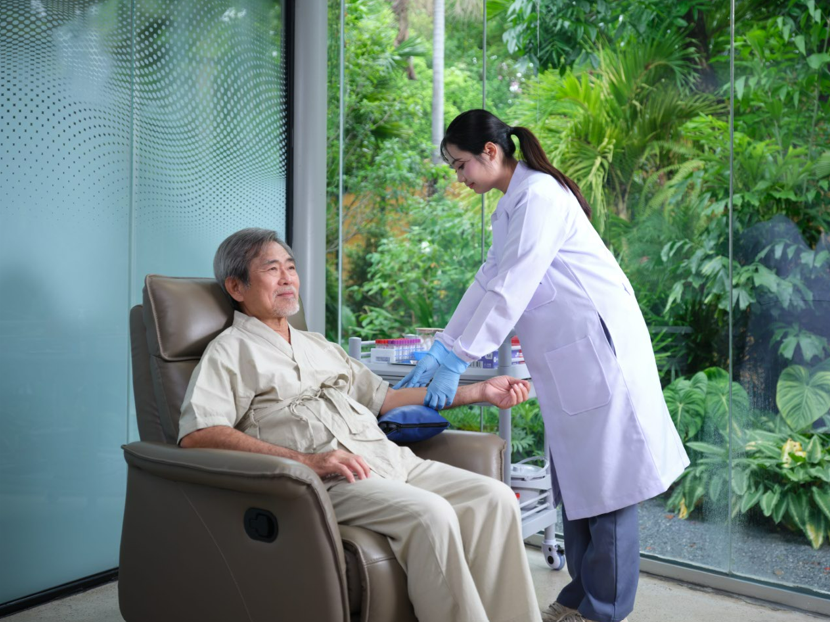
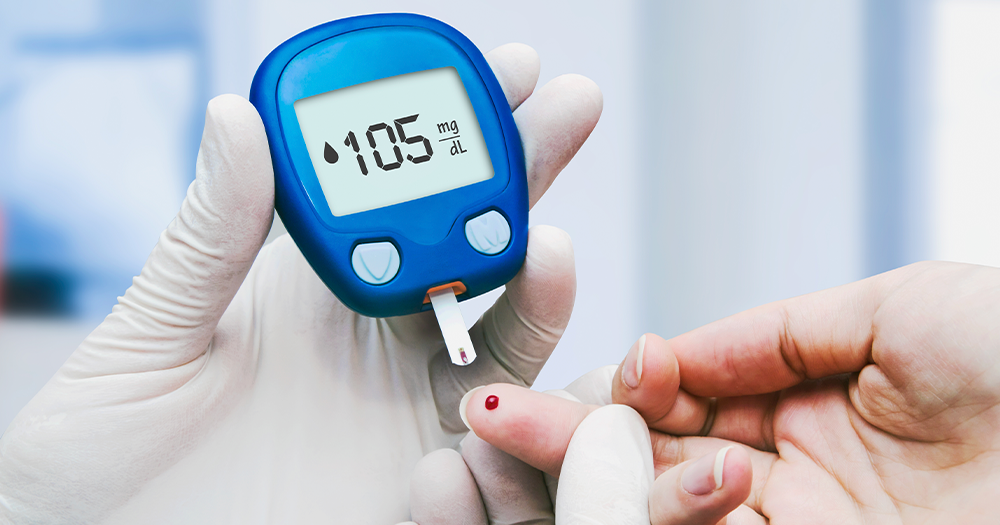
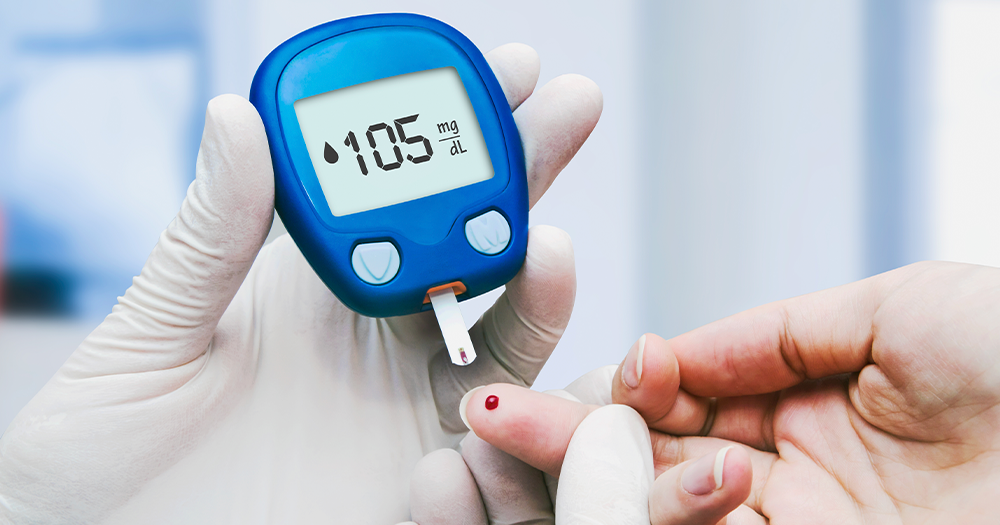
Health check-ups can provide information about health at that point in time and help assess certain risk factors, such as blood glucose, blood pressure, blood lipid levels, and cardiovascular risk factors. In addition, some screening tests may help identify certain abnormalities before symptoms develop.
However, not everyone needs the same tests or the same screening frequency. Appropriate testing should consider age, sex, medical history, risk factors, family history, and medical recommendations.
Tip: Plan health screening according to individual suitability and use the results to monitor health and plan long-term self-care.
7. Make physical movement part of everyday life
Exercise does not always have to be intense or time-consuming. Walking, taking the stairs, doing housework, or simply moving more during everyday life can all increase physical activity.
The important point is to reduce long periods of sitting or inactivity and look for opportunities to move regularly according to individual ability.
Tip: Add more walking to your day, such as walking short distances instead of driving or walking during work breaks.
8. Prioritize sleep and rest
Adequate, good-quality sleep is important for both the body and the brain. Appropriate rest gives the body an opportunity to recover and is related to mood, concentration, and daily functioning.
Although sleep patterns differ from person to person, maintaining relatively consistent sleep and wake times and creating a sleep-friendly environment can support good sleep hygiene.
Tip: Try to go to bed and wake up at regular times, reduce screen use before bedtime, and keep the bedroom quiet, dark, and at a comfortable temperature.
9. Maintain hygiene and prevent disease
Hygiene is part of preventing infectious disease and caring for health in daily life. Japanese culture includes hygiene practices that receive attention, such as handwashing, cleanliness, and consideration for hygiene in shared spaces.
Appropriate hygiene practices, such as washing hands correctly, eating clean and safe food, and following age- and risk-appropriate vaccination recommendations, are all part of disease prevention.
Tip: Build realistic hygiene habits that can be practiced consistently, because everyday disease prevention begins with small behaviors repeated regularly.
10. Care for your health continuously, not only when symptoms appear
An important idea for long-term health is to care for health continuously rather than waiting for symptoms before beginning to pay attention.
Appropriate eating, physical movement, adequate sleep, stress management, maintaining social relationships, and health screening when appropriate can all work together as components of preventive health care.
The goal is not to do everything perfectly, but to build healthy behaviors that can be maintained over the long term.
Tip: Begin by changing just one or two behaviors, then gradually add other realistic changes as they become familiar.
Good health starts with what we do every day
The Japanese way of life includes many interesting ideas, from balanced eating and eating in moderation to spending time in nature, maintaining relationships with others, and having purpose in life.
However, no single approach can guarantee longevity or prevent disease. Long-term health results from multiple factors and should be adapted to each individual’s circumstances, health, and needs.
Starting with small, realistic behaviors and practicing them consistently may be one of the best ways to care for health over the long term.
Health note
The information in this article is intended for general health education and is not intended to replace medical advice, diagnosis, or treatment.
Health check-ups and screening should be selected according to each individual’s age, sex, medical history, risk factors, and family history. Screening results cannot confirm or rule out every disease and should be interpreted together with clinical information by a doctor when indicated.