
Chronic Obstructive Pulmonary Disease (COPD) is a chronic lung disease that reduces airflow out of the lungs, causing symptoms such as difficulty breathing, cough, or sputum production, and it may affect the ability to perform activities and quality of life.
COPD symptoms often develop gradually. Some people may not notice abnormalities in the early stages or may assume that breathlessness or coughing is due to increasing age, smoking, or lack of exercise.
Although smoking is an important risk factor for COPD, people who do not smoke can also develop the disease because of other factors such as exposure to smoke from combustion, air pollution, dust, or occupational irritants.
What is COPD?
COPD is a chronic lung disease involving abnormalities of the airways and/or alveoli that reduce airflow out of the lungs. These abnormalities are often associated with inflammation and structural changes in the lungs resulting from long-term exposure to irritants.
COPD can affect breathing, especially during exertion, and as the disease progresses it may reduce a person’s ability to carry out daily activities or exercise.
Emphysema
Emphysema is a condition in which the walls and structure of the alveoli are damaged, reducing the surface area available for gas exchange and potentially decreasing breathing efficiency.
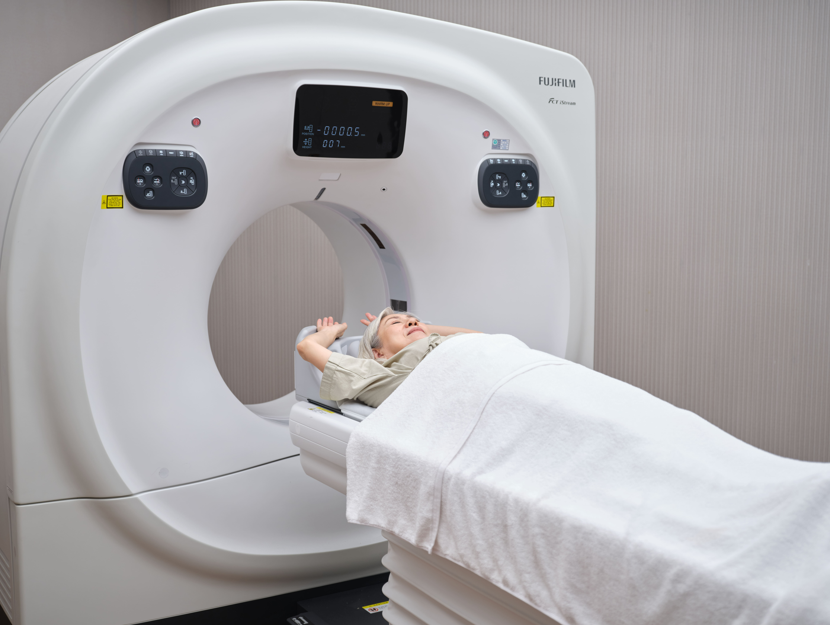
Emphysema can occur together with COPD. In some patients, these changes can be assessed through lung imaging such as a CT scan.
Chronic Bronchitis
Chronic bronchitis refers to a condition involving cough and sputum production over a prolonged period according to clinical criteria. It is associated with inflammation and mucus production in the airways.
Some people with COPD may have features of emphysema, chronic bronchitis, or both.
COPD symptoms to watch for
In the early stages, COPD may have no clear symptoms or symptoms may be so mild that they are overlooked.
As the disease progresses, possible symptoms include:
- Shortness of breath, especially during exertion or activity
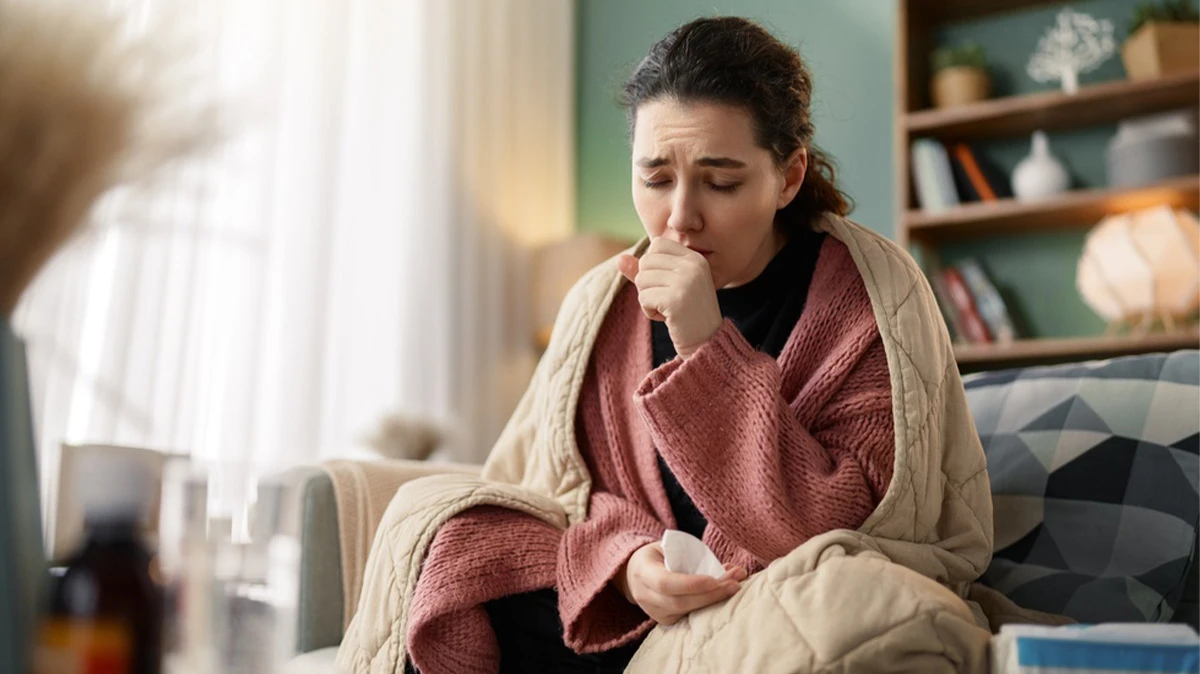
- Chronic or intermittent cough
- Increased or regular sputum production
- Wheezing
- A feeling of tightness or discomfort in the chest
- Becoming tired more easily than usual
- Reduced ability to exercise or carry out activities
COPD symptoms vary between individuals, and these symptoms can also occur in other respiratory diseases. Therefore, persistent symptoms should be evaluated by a doctor to determine the appropriate cause.
COPD Exacerbation
People with COPD may experience periods of exacerbation in which respiratory symptoms become worse than usual, such as:
- Increased shortness of breath
- Increased coughing
- Increased sputum production
- A change in sputum color or appearance
- A marked reduction in the ability to carry out activities
Exacerbations may be triggered by respiratory infections, air pollution, or other factors and, in some cases, may be severe enough to require hospital treatment.
If severe breathing difficulty occurs or symptoms worsen rapidly, medical evaluation should be sought promptly.
Smoking and other COPD risk factors
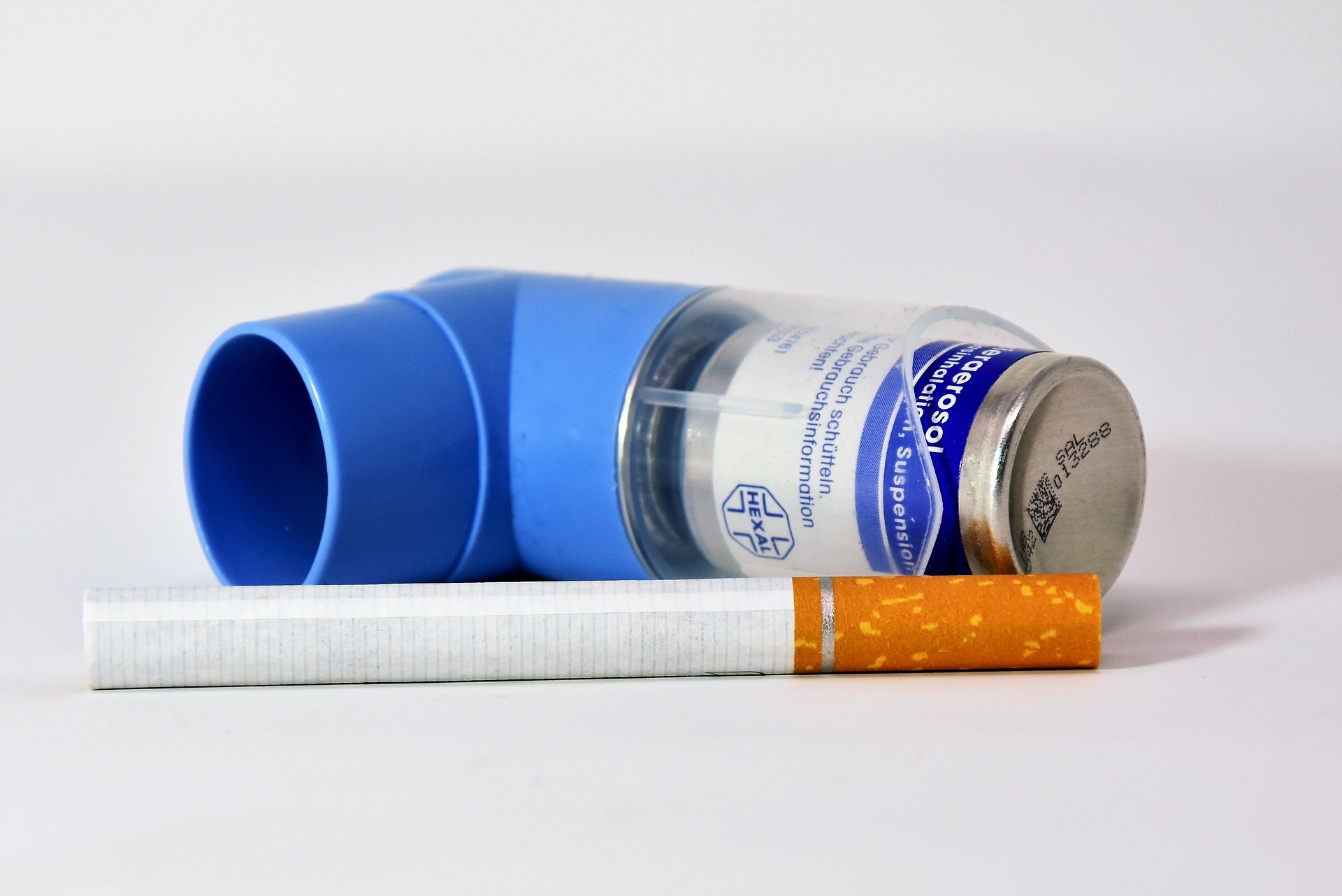
Smoking is one of the most important risk factors for COPD.
Long-term exposure to cigarette smoke can trigger inflammation and damage the airways and lung tissue.
In addition to smokers, regular exposure to secondhand smoke can also adversely affect respiratory health.
However, COPD is not caused by smoking alone. Other risk factors include:
Air pollution and smoke from combustion
Long-term exposure to air pollution, dust, smoke from biomass fuel combustion, or certain chemicals may increase the risk of COPD and other respiratory diseases.
Occupational factors
People who work in environments with long-term exposure to dust, smoke, chemicals, or respiratory irritants may have an increased risk of occupational lung disease and COPD.
Genetic factors and lung development
Certain genetic factors, as well as abnormal lung development, respiratory infections during childhood, or incomplete lung development, may contribute to an increased risk of COPD in some individuals.
COPD and respiratory infections
People with COPD may have an increased risk of respiratory infections and disease exacerbations, especially those with severe COPD or other comorbidities.
Preventing infection is therefore part of lung health care, including avoiding risk factors, maintaining good hygiene, and receiving vaccines according to a doctor’s recommendations and individual suitability.
Why is early detection of COPD important?
COPD can progress slowly, and some people may have only mild symptoms at first. Assessment is therefore important for people with respiratory symptoms or a history of exposure to risk factors.
Assessment may include:
- Medical history taking and symptom assessment
- Assessment of smoking history and exposure to pollution or irritants
- Physical examination
- Pulmonary function testing
What is Spirometry?
Spirometry is a pulmonary function test that measures air volume and airflow during breathing. It is an important test for assessing airflow obstruction and plays an important role in confirming a diagnosis of COPD together with clinical information.
What is the role of a CT scan?
A chest CT scan is not the primary test used to confirm a diagnosis of COPD. However, in some patients a doctor may consider CT imaging to assess lung structure, such as emphysema or other abnormalities, and to help evaluate possible causes or associated conditions.
The choice of test depends on symptoms, medical history, risk factors, and the doctor’s clinical judgment.
Detecting abnormalities early can support appropriate care planning, such as smoking cessation, reducing exposure to irritants, exercise or pulmonary rehabilitation, and the use of medication when indicated. These measures may help control symptoms, reduce the risk of exacerbations, and maintain the ability to perform daily activities.
Who should pay particular attention to lung health assessment?
Lung health assessment may be especially important for people who:
- Currently smoke or have smoked in the past
- Have a chronic cough
- Regularly produce sputum
- Have shortness of breath or become tired more easily than usual
- Have a history of long-term occupational exposure to dust, smoke, or chemicals
- Have a history of long-term exposure to combustion smoke or air pollution
- Have a history of respiratory disease or other risk factors that a doctor considers an indication for assessment
Having risk factors does not mean that a person will necessarily have COPD, but it is a reason to consider appropriate lung health assessment.
Protect lung health and reduce COPD risk
Lung health care can begin with changes in everyday behavior, including:
- Stop smoking and avoid secondhand smoke
- Reduce exposure to dust, smoke, and chemicals that irritate the respiratory system
- Use appropriate protective equipment when working in environments with dust or chemicals
- Exercise or engage in appropriate and regular physical activity
- Maintain an appropriate body weight
- Manage chronic conditions and comorbidities continuously
- Receive vaccinations as recommended by a doctor
- If chronic respiratory symptoms or risk factors are present, seek medical assessment
For people who smoke, quitting is one of the most important ways to reduce exposure to factors that damage the lungs and to reduce COPD-related risk.
Good lung health starts with knowing your risk
COPD is a chronic lung disease that can affect breathing, the ability to carry out activities, and quality of life, particularly as the disease becomes more severe.
Being aware of risk factors, observing abnormal symptoms, and seeking assessment when indicated can help identify abnormalities and support appropriate care planning.
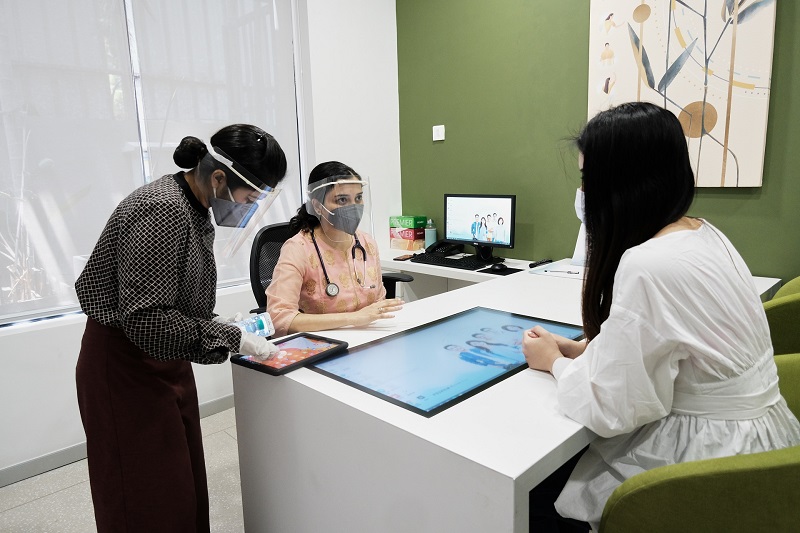
If you have a chronic cough, difficulty breathing, become tired easily, have a history of smoking, or have had long-term exposure to dust, smoke, or respiratory irritants, you should consult a doctor for an appropriate lung health assessment.
Know your risk, detect abnormalities early, and maintain continuous lung health care
Note: This information is provided for health education and cannot replace diagnosis or medical advice. The selection and interpretation of tests should be considered by a doctor together with each individual’s symptoms, medical history, and risk factors.