
Breast cancer is one of the most common cancers among women worldwide. Although breast cancer cannot be completely prevented, understanding risk factors, maintaining health, and receiving appropriate screening can help reduce some modifiable risk factors and increase the chance of detecting abnormalities at an early stage.
Early-stage breast cancer may not cause clear symptoms, and some abnormalities may be too small to feel by touch. Screening therefore plays an important role in identifying abnormalities that may not yet cause symptoms.
Understand breast cancer so you can care for your health from an early stage
Having no pain or being unable to feel an abnormal lump does not always mean that there is no breast abnormality.
Mammography (breast X-ray) is an important tool for breast cancer screening and can detect certain abnormalities that may not yet be palpable, such as small calcium deposits (microcalcifications), which in some cases may be associated with early breast abnormalities.
Ultrasound (breast ultrasound) can be used as an additional test to assess a lump or an area found to be abnormal on physical examination or mammography, and in some situations may provide additional value for people with dense breast tissue.
However, ultrasound cannot replace mammography in every case, and the two tests have different roles.
The choice of examination should therefore consider age, level of risk, personal history, family history, breast density, and medical advice.
Breast signs to watch for
Breast abnormalities can appear in different ways. Signs or symptoms to observe include:
- A lump or an unusually hard area in the breast
- A change in breast size or shape
- Dimpling, wrinkling, or other changes in the skin of the breast
- Nipple inversion or a change from the nipple’s usual appearance
- Fluid or discharge from the nipple, especially if it is new or occurs without a known cause
- Redness, swelling, thickening, or an orange-peel-like appearance of the breast skin
- Any other new change in the breast or nipple that differs from its usual appearance
These changes do not always mean breast cancer and may be caused by other conditions. However, if a new abnormality or a change from the usual appearance is found, a doctor should be consulted for further evaluation.
Knowing the normal appearance and feel of your own breasts and observing changes is part of breast health care. However, breast awareness or self-examination cannot replace screening according to medical recommendations.
Genetics and breast cancer risk
Genetic factors play a role in some breast cancers, particularly mutations in certain genes such as BRCA1 and BRCA2, which are associated with an increased risk of breast and ovarian cancer.
Genetic testing may be useful for people whose personal or family history suggests a risk of hereditary cancer.
If a high genetic risk is identified, a doctor can help plan individualized care. This may include starting screening earlier, appropriate follow-up, or additional examinations such as Breast MRI, as well as risk-reduction approaches in some cases.
However, genetic testing is not necessary for everyone. It should be considered based on personal history, family history, and other risk factors, and guidance from a doctor or genetics specialist may be appropriate before testing.
Health care and behaviors that help reduce risk
Some breast cancer risk factors, such as age, sex, and genetics, cannot be changed. However, appropriate health behaviors can help reduce certain modifiable risk factors and support overall health.
Engage in regular physical activity
Regular physical activity is associated with a lower risk of breast cancer and also helps with weight management and cardiovascular health.
Activities may include brisk walking, running, cycling, swimming, dancing, or muscle-strengthening exercise. Activities should be chosen according to physical condition and be sustainable over time.
Eat a balanced diet and manage body weight
Eating a varied and balanced diet that emphasizes vegetables, fruit, whole grains, and appropriate protein sources, while limiting high-sugar and processed foods, can support overall health and help with weight management.
Maintaining an appropriate body weight is important, especially after menopause, because overweight and obesity are associated with the risk of certain types of breast cancer.
Limit alcohol consumption
Alcohol consumption is associated with breast cancer risk, and the risk tends to increase with the amount consumed.
Therefore, avoiding or reducing alcohol is one approach that can help reduce a modifiable risk factor.
Take care of overall health
Adequate sleep, physical activity, and overall health care are all important components of good health.
However, current evidence is not sufficient to conclude that reducing stress or sleeping well can directly prevent breast cancer. These should therefore be considered part of overall health care rather than specific breast cancer prevention measures.
Appropriate breast screening is an important part of health care
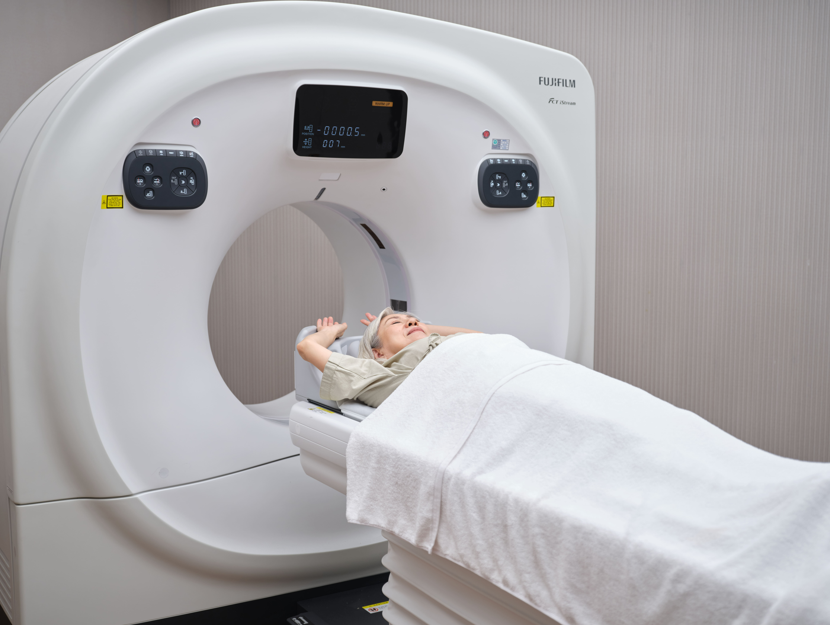
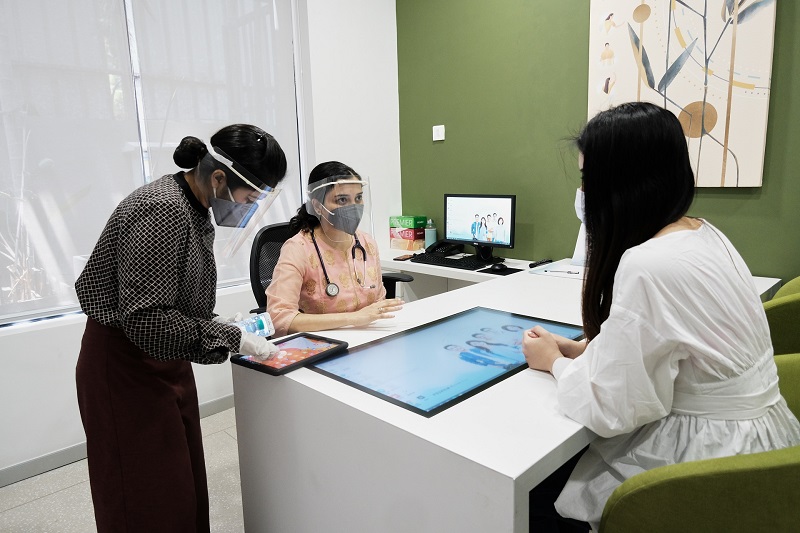
At NURA Bangkok, we focus on preventive health care. Breast health assessment may include Mammography and Ultrasound according to the suitability of each individual.
The two examinations have different roles and in some situations can provide complementary information.
Mammography is an important tool for breast cancer screening and can detect certain abnormalities that may not yet be palpable.
Ultrasound can be used as an additional examination to assess a lump or suspicious area and may provide additional value in some people with dense breasts. However, ultrasound cannot replace mammography in every case.
The appropriate test should be selected by considering age, personal history, breast density, family history, and other risk factors.
For people at high risk, such as those with a risk-increasing genetic mutation, a strong family history, or a history of chest radiation at a young age, screening may need to begin earlier or additional tests such as Breast MRI may be required according to a doctor’s assessment.
When should breast cancer screening be performed?
Recommendations regarding the age to begin screening and the frequency of screening may vary according to medical guidelines and each individual’s level of risk.
For people at average risk, mammography at an age and frequency appropriate to the guideline is an important approach to help detect breast cancer at an early stage.
For people at high risk, screening may need to start earlier or include additional tests as recommended by a doctor.
Therefore, the method and timing of screening should not be determined by age alone, but should also take into account the individual’s level of risk and specific factors.
What can screening help with?
The main purpose of screening is to identify breast abnormalities before symptoms develop.
Detecting abnormalities at an early stage may make it possible to assess, diagnose, and plan appropriate treatment and care.
However, screening cannot directly prevent breast cancer and cannot guarantee that every cancer will be detected.
An abnormal test result does not always mean cancer. Further evaluation may be required, such as additional imaging, follow-up, or biopsy, depending on the characteristics of the abnormality and the doctor’s assessment.
Good breast health starts with knowing your own risk
Breast cancer cannot be completely prevented, but we can reduce some risk factors and increase the opportunity to detect abnormalities at an early stage.
Breast health care should therefore include:
- Knowing your own risk factors
- Engaging in regular physical activity
- Maintaining an appropriate body weight
- Avoiding or reducing alcohol consumption
- Observing changes in the breasts
- Receiving screening according to age and level of risk
- Consulting a doctor when a new breast abnormality is found
Early detection of an abnormality does not mean that all cancer can be prevented, but it increases the opportunity to find disease at a stage when appropriate care can be planned.
Know your risk, screen appropriately, and maintain continuous breast health care
Medical note: This article is intended to provide general information about breast health and screening. It cannot replace diagnosis or medical advice. The appropriate screening method depends on age, level of risk, personal history, family history, breast density, and other individual factors. An abnormal screening result does not always mean cancer and may require additional testing or specialist follow-up as appropriate.