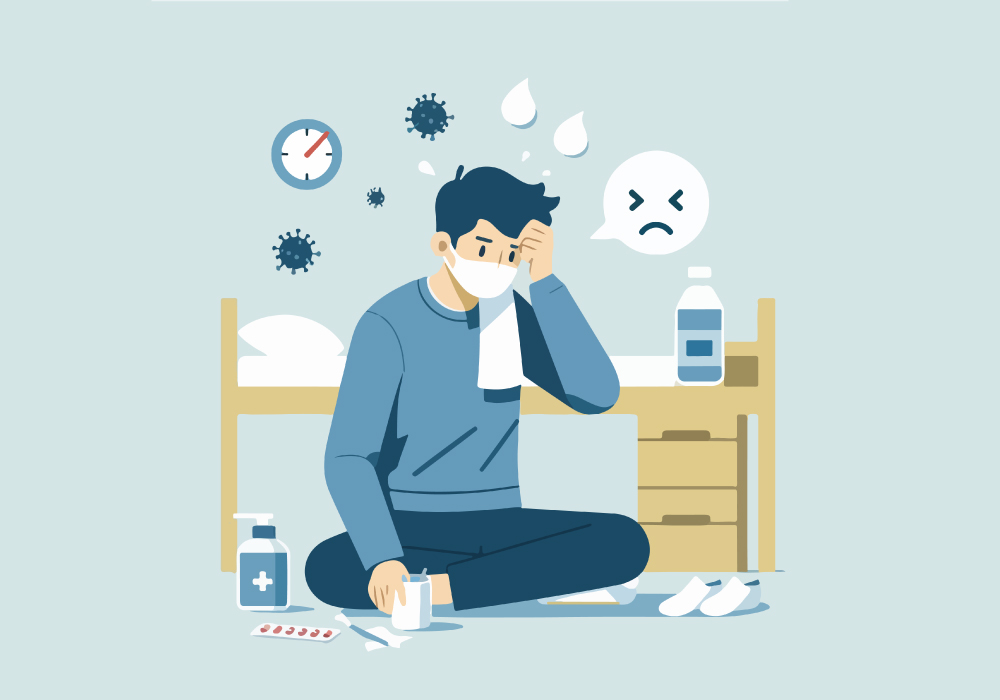

“Health is something we often fail to appreciate until we become ill.”
When illness occurs, we often become more aware of the importance of good health and begin to pay greater attention to caring for our bodies. However, health care does not need to wait until disease or symptoms develop, because preventive health care can begin while we still feel healthy.
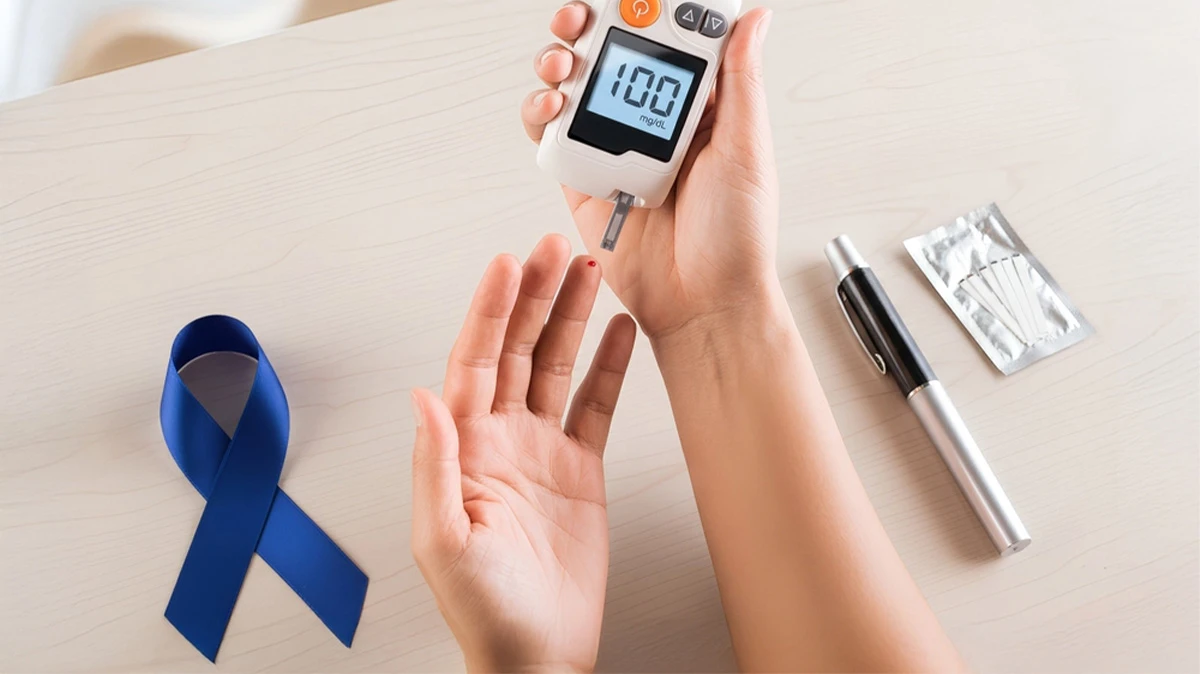
Many chronic conditions, such as cardiovascular disease, diabetes, high blood pressure, certain cancers, and chronic obstructive pulmonary disease (COPD), may develop gradually and in some cases may not cause symptoms in the early stages. As a result, we may be unaware that certain risk factors or abnormalities are present.
For this reason, preventive health care and appropriate screening play an important role in helping us understand our health, assess risk factors, and plan health care appropriately.
What is preventive health screening?
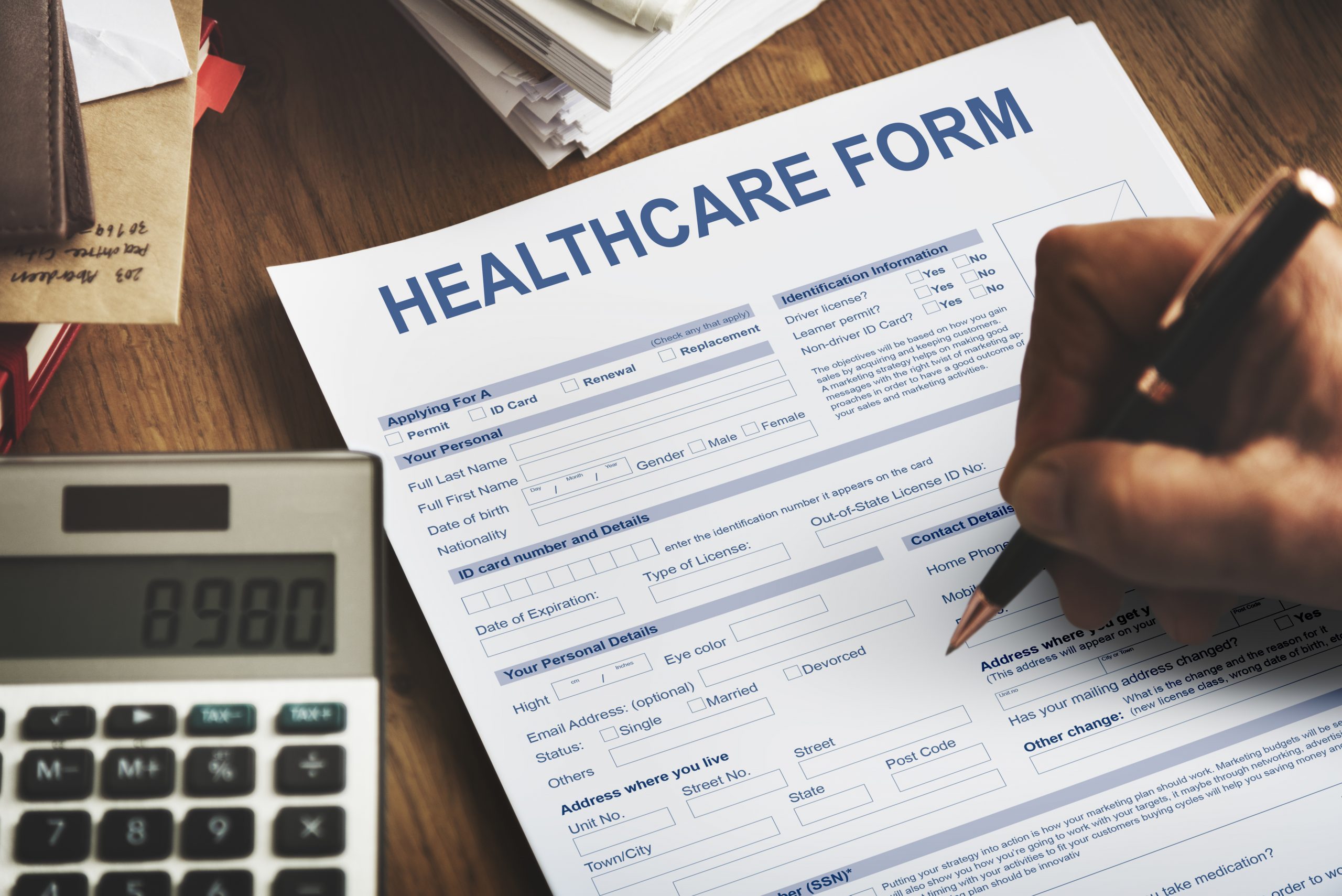
Preventive health care is an approach that aims to promote health, reduce risk factors, and identify certain abnormalities or diseases at an early stage. It may include health assessment, screening, health behavior guidance, and appropriate monitoring of risk factors.
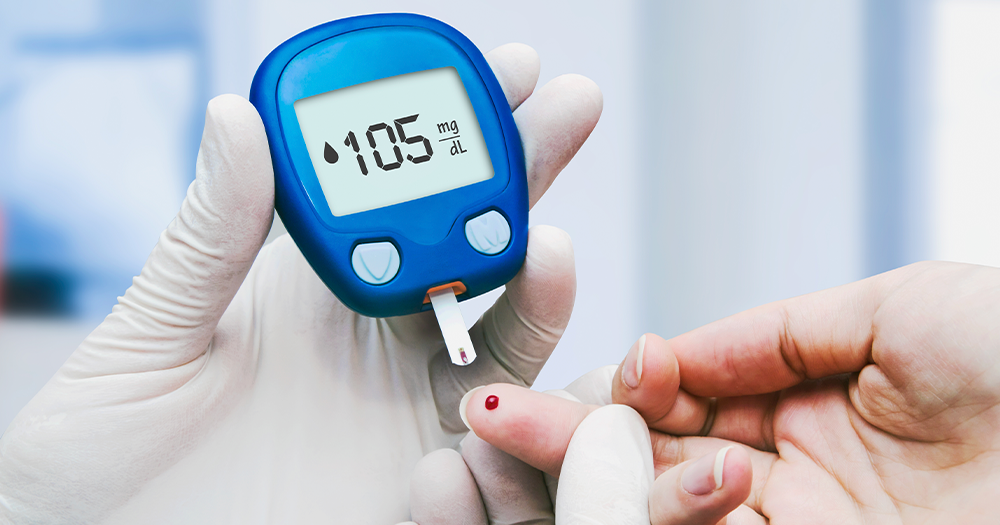
Health screening is part of preventive health care. Its purpose is to identify certain diseases or abnormalities in people who do not yet have symptoms, or to assess risk in groups with a greater likelihood of developing disease.
Screening is therefore different from diagnostic testing.
Screening aims to identify abnormalities or assess preliminary risk, whereas diagnostic testing aims to confirm or determine the cause of disease in people who have symptoms or suspicious test findings.
If an abnormality is found during screening, additional testing or medical evaluation may be required to confirm the cause and plan appropriate care.
Why is detecting abnormalities at an early stage important?
Appropriate health screening can help provide an overview of our health, including information about risk factors or certain abnormalities that may not yet cause symptoms.
For some diseases, early detection may make it possible to:
- Modify behavior to reduce risk factors
- Plan appropriate health follow-up
- Begin care or treatment when indicated
- Assess the risk of long-term complications
However, not all screening tests provide the same benefits, and not every disease is suitable for population screening. The benefits and limitations of screening depend on the disease, the test method, age, sex, symptoms, medical history, and individual risk factors.
Therefore, choosing the appropriate tests is just as important as undergoing screening itself.
3 reasons to pay attention to preventive health screening
1. To understand your health and personal risk factors
Health screening can provide information about health and certain risk factors that may not yet be producing symptoms.
This information can support lifestyle changes, such as diet, physical activity, weight management, sleep, and management of other risk factors as appropriate.
The key goal is not only to look for disease, but also to use health information to support long-term health care.
2. To identify abnormalities that may not yet cause symptoms
Some diseases or health conditions can develop without clear symptoms in the early stages.
Appropriate screening can therefore help identify certain abnormalities that may not be recognized from symptoms alone.
When an abnormality is found, the information can be discussed with a doctor to assess its significance and determine whether further testing or follow-up is needed.
3. To plan health care from an early stage
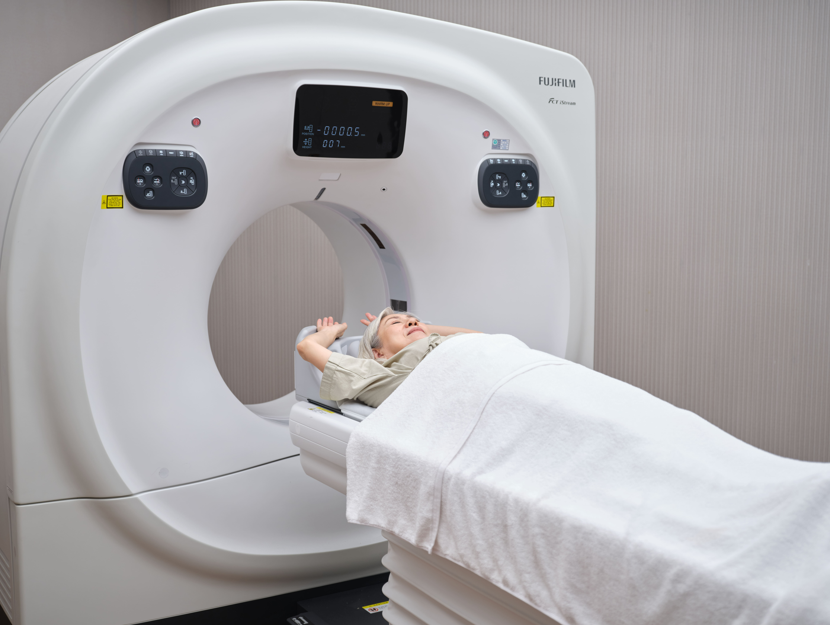
Some types of screening are designed to identify diseases or abnormalities at an early stage, including certain cancers in appropriate population groups.
Early detection may create an opportunity for earlier assessment and care planning. The benefit of screening, however, depends on the disease, the testing method, and the group being screened.
Tests should therefore be selected according to each individual’s age, sex, medical history, symptoms, and risk factors.
Health screening is not only about “finding disease”
Many people may think that the purpose of a health check-up is only to look for disease, but preventive health care is broader than that.
Information from health assessment can help us understand:
- Risk factors that require attention
- Health behaviors that may need to be changed
- Abnormalities that should be monitored
- The need for additional testing
- Health care approaches appropriate to each individual
Health screening is therefore part of the process of “know your risk → assess abnormalities → plan care → continue follow-up.”
How should health screening be selected?
Appropriate health screening does not necessarily mean testing for everything.
Some tests are suitable for certain groups, while others may not be necessary for people without risk factors or indications.
Test selection should therefore consider multiple factors, such as:
- Age
- Sex
- Family history
- Medical history
- Lifestyle behaviors
- Smoking and exposure to risk factors
- Existing symptoms or abnormalities
- Previous health screening results
Medical assessment can help select tests that are better matched to each individual’s risks and needs.
Preventive health screening is useful, but it cannot prevent every disease
An important point to understand is that no health screening package can detect or prevent every disease.
Each screening test has benefits, limitations, and the possibility of false-positive or false-negative results.
Therefore, a result within the normal range does not mean there is no risk of any disease, and an abnormal result does not always mean that disease is present.
When an abnormality is found, a doctor may consider the person’s history, symptoms, physical examination, and additional testing to interpret the result appropriately.
Understand your health before waiting for your body to send a warning sign
Good health does not mean only being free of symptoms today. It also means understanding your own risk factors and caring for your health appropriately over the long term.
Preventive health care and appropriate screening can be part of proactive health care by providing information to assess risk, identify certain abnormalities, and plan health care appropriately.
A health check-up is therefore not only about looking for disease, but also about understanding our health and using that information to plan appropriate self-care.
Know your risk, detect abnormalities early, and plan appropriate care for long-term health
Note: This information is provided for health education and cannot replace diagnosis or medical advice. Each screening test has different indications, benefits, and limitations. Testing should be selected according to the individual’s age, sex, medical history, symptoms, and risk factors. If an abnormal result is found, additional testing or medical evaluation may be needed to support diagnosis.