Lung cancer is often described as a “silent threat with no symptoms in the early stages.” By the time symptoms such as a chronic cough, shortness of breath, or chest pain are noticed, the disease may already have progressed. Early detection of lung cancer is therefore very important because the stage of the disease directly affects treatment options and the chance of recovery.
Lung cancer: a global and Thai health problem
According to the World Health Organization (WHO), lung cancer remains one of the most common cancers and a leading cause of death. In 2022, there were approximately 2.5 million new cases worldwide and more than 1.8 million deaths.
Although smoking is the main risk factor, lung cancer is increasingly being found in people who have never smoked. Contributing factors include air pollution, secondhand smoke, occupational chemicals such as asbestos, and genetic factors.
What is lung cancer?
Lung cancer occurs when cells in lung tissue grow and divide abnormally and uncontrollably until they form a mass. If these cells spread to other tissues or organs, this is called metastasis.
Lung cancer is divided into two main types:
- Non-Small Cell Lung Cancer (NSCLC): The most common type, accounting for approximately 85% of all cases. Disease behavior varies according to the subtype and stage.
- Small Cell Lung Cancer (SCLC): Less common, but it tends to grow and spread rapidly.
How does the stage of lung cancer affect treatment?
- Early stage: The disease remains confined to the lung or nearby structures. People in this group may be candidates for surgery, radiotherapy, or targeted treatment according to the doctor’s clinical judgment.
- Advanced stage: The cancer has spread to lymph nodes or other organs such as the liver, bones, or brain. Treatment becomes more complex and focuses on controlling the disease, relieving symptoms, and maintaining quality of life.
Warning signs that should not be ignored
Most people have no symptoms in the early stages. However, if any of the following symptoms occur, a doctor should be consulted promptly for assessment:
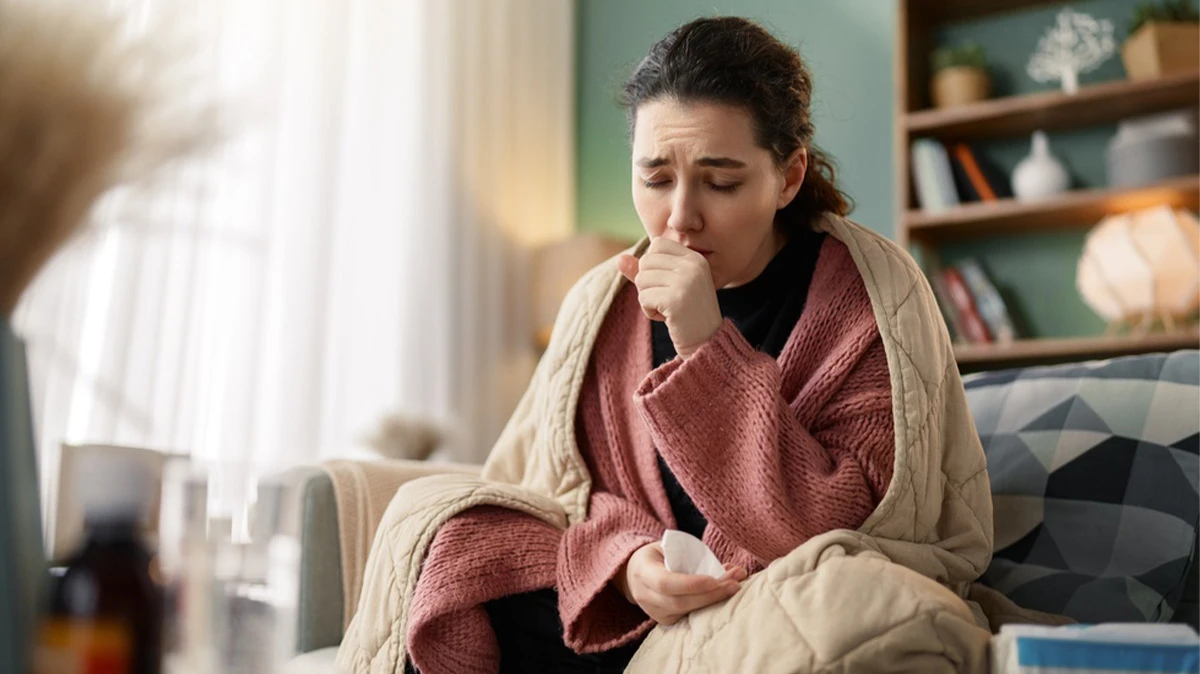
- A chronic cough or a change in the usual pattern of coughing
- Coughing up blood-stained sputum
- Shortness of breath or becoming breathless easily
- Chest pain or tightness
- Unexplained weight loss or chronic fatigue
Note: These symptoms are not specific to lung cancer and can also be caused by other conditions. Screening therefore has an important role for people at risk even when they do not yet have symptoms.
Who should consider screening with LDCT?
International medical evidence, including the National Lung Screening Trial (NLST) and the NELSON Trial, has demonstrated the benefits of lung cancer screening with Low-Dose Computed Tomography (LDCT) in high-risk populations.
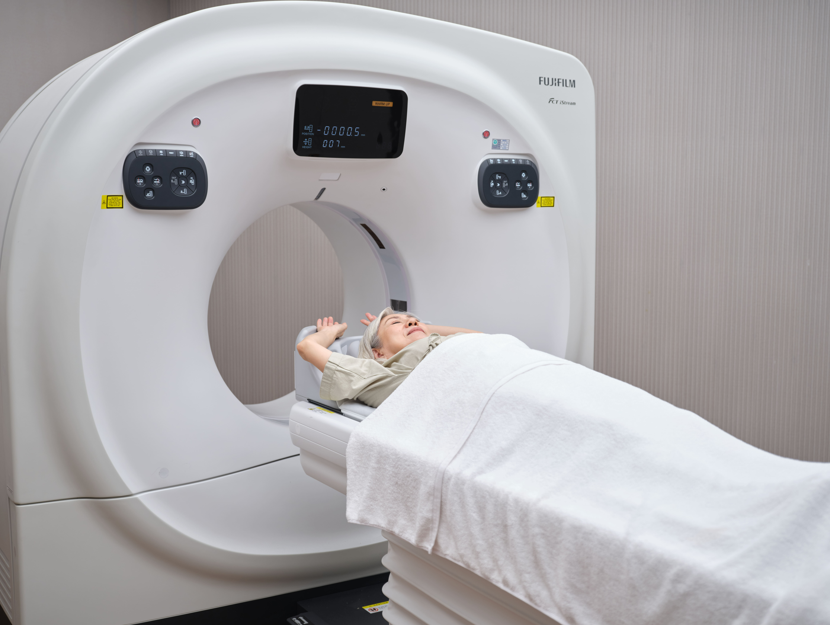
LDCT uses a substantially lower radiation dose than conventional CT and can detect small lesions or pulmonary nodules in the lungs at an early stage.
Factors considered when evaluating whether to undergo screening include:
- Age
- Smoking history and amount smoked, including exposure to secondhand smoke
- Medical history and family history of cancer
- Exposure to pollution, PM2.5, or workplace chemicals
- Other health risk factors
The role of AI alongside LDCT
Artificial Intelligence (AI) technology now plays an important role in the analysis of medical images:
- Helps detect abnormalities: AI can help identify and highlight small lesions or nodules that may be difficult to see.
- Supports radiologists: It can improve accuracy and speed in the image-reading process.
Important: AI is only a tool that supports image processing. Final diagnosis and interpretation are always performed by radiologists and specialist medical teams together with the patient’s clinical information.
Can people who do not smoke still be at risk of lung cancer?
Yes. People who have never smoked may still be at risk because of other environmental factors, such as:
- Long-term exposure to secondhand smoke
- Air pollution and smoke particles
- Occupational chemical exposure, such as asbestos, diesel exhaust, welding fumes, and silica
- Genetics and family history
Ways to care for your health and reduce lung cancer risk
In addition to screening, everyday lifestyle changes can provide an important layer of protection:
- Avoid smoking and all tobacco products
- Avoid areas with secondhand smoke and high levels of pollution
- Wear appropriate personal protective equipment when working with dust or chemicals
- Maintain good ventilation inside homes and buildings
- Exercise regularly and maintain a body weight within an appropriate range
- Consult a doctor to assess risk and receive screening when appropriate
Lung health assessment at NURA Bangkok
At NURA Bangkok, we combine low-dose medical imaging technology (LDCT) with AI image-processing technology to support doctors in identifying lesions at an early stage. Care and interpretation are provided by a specialist medical team so that you receive accurate health information that can be used for appropriate personal health planning.
Understanding your risk and detecting abnormalities early are central to preventive health care.
Medical note
This article is intended for general educational purposes only and cannot replace diagnosis or medical advice from a qualified doctor. LDCT screening has specific individual indications. Patients should always consult a doctor to assess suitability before undergoing screening.