
You feel fine… but are you really healthy?
In everyday life filled with work, family, and responsibilities, many people may begin to pay attention to their health only after abnormal symptoms appear.
However, many health conditions can develop gradually and may not cause clearly noticeable symptoms in the early stages, meaning we may be unaware that certain risk factors or abnormalities are present.
Examples include high blood pressure, diabetes, chronic kidney disease, osteoporosis, fatty liver disease, and coronary artery disease, as well as certain cancers that may not cause symptoms in their early stages.
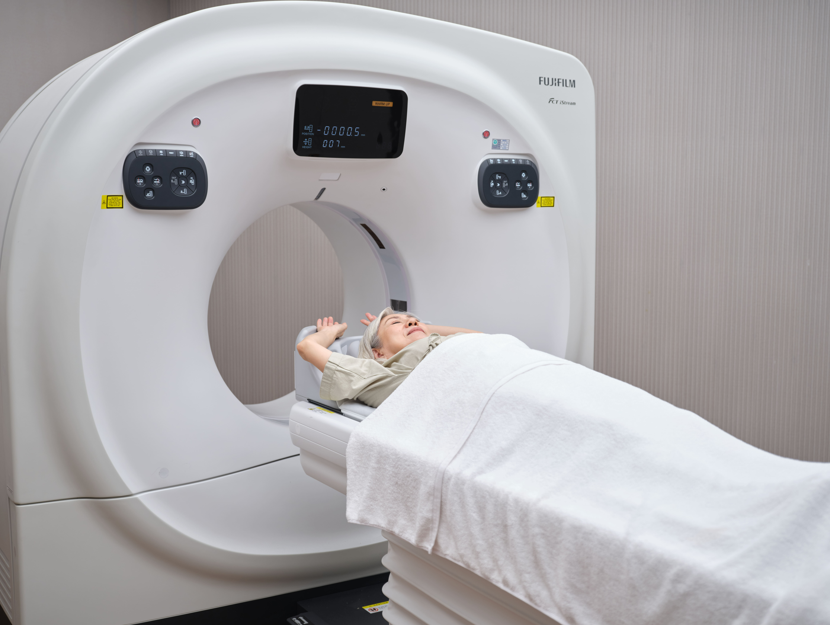
Preventive health check-ups and appropriate screening therefore play a role in assessing risk factors and identifying certain abnormalities while they are still asymptomatic, so the information can be discussed with a doctor and used for appropriate health planning.
7 health conditions that may show no symptoms in the early stages
1. High Blood Pressure (Hypertension)
High blood pressure is a condition in which many people may not have clear abnormal symptoms, especially in the early stages, which is why it is often called a “silent threat.”
If high blood pressure persists for a long time and is not appropriately controlled, it may increase the risk of cardiovascular disease, stroke, and kidney disease.
Periodic blood pressure measurement is therefore an important way to assess this condition, especially in people with risk factors.
Appropriate eating habits, physical activity, weight management, limiting sodium, and avoiding smoking all contribute to blood pressure management and cardiovascular health.
2. Coronary Artery Disease
Coronary artery disease develops from the accumulation of fatty deposits, or plaque, within artery walls, narrowing the vessels and potentially affecting blood flow to the heart muscle.
In the early stages, some people may have no clear symptoms, while others may develop symptoms during exertion, such as chest pain or tightness, easy fatigue, or shortness of breath.
Cardiovascular risk assessment should consider multiple factors together, such as age, blood pressure, blood lipid levels, diabetes, smoking, family history, and other risk factors.
In some individuals, a doctor may consider additional testing according to the level of risk, such as an appropriate assessment of the coronary arteries.
Health screening should therefore focus on overall risk assessment rather than relying on a single test.
3. Fatty Liver Disease
Fatty liver disease is common and, in many people, may cause no symptoms in the early stages.
This condition is associated with several metabolic factors, such as overweight or obesity, insulin resistance, diabetes, and abnormal blood lipid levels.
Some people may discover fat accumulation in the liver incidentally during a health check-up or medical imaging performed for another reason.
When an abnormality is found, a doctor may consider further assessment of risk factors to evaluate liver health and the risk of complications.
Weight management, appropriate nutrition, exercise, and control of metabolic risk factors are important parts of liver health care.
4. Certain Early-Stage Cancers
Some cancers may not cause clear symptoms in the early stages, so waiting until symptoms appear may not be an appropriate approach for every type of cancer.
However, cancer screening is not appropriate for everyone, and there is no screening test for every type of cancer.
Evidence-based screening depends on the type of cancer, age, sex, level of risk, family history, and other factors.
Examples include:
- Mammography for breast cancer screening in appropriate groups
- HPV Test and/or Pap Test for cervical cancer screening according to appropriate guidelines
- Colorectal cancer screening according to age and level of risk
Screening should therefore be selected according to medical recommendations rather than testing for every type of cancer without an indication.
5. Diabetes
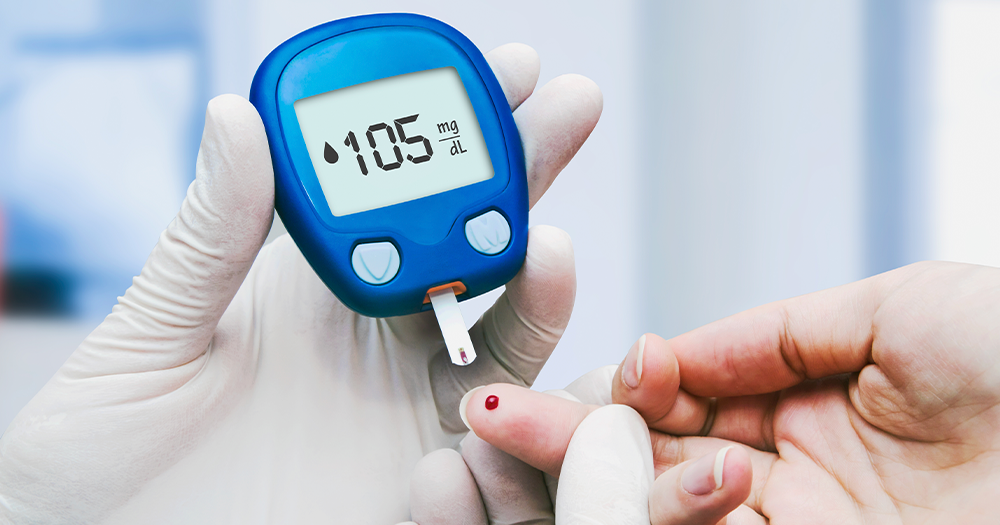
Diabetes, especially type 2 diabetes, can develop gradually and may not cause clear symptoms in the early stages.
If blood glucose remains high for a long time, it may affect blood vessels, nerves, kidneys, and eyes, and increase the risk of cardiovascular disease.
Possible symptoms include excessive thirst, frequent urination, easy fatigue, blurred vision, or unintentional weight loss, although some people may have no noticeable symptoms.
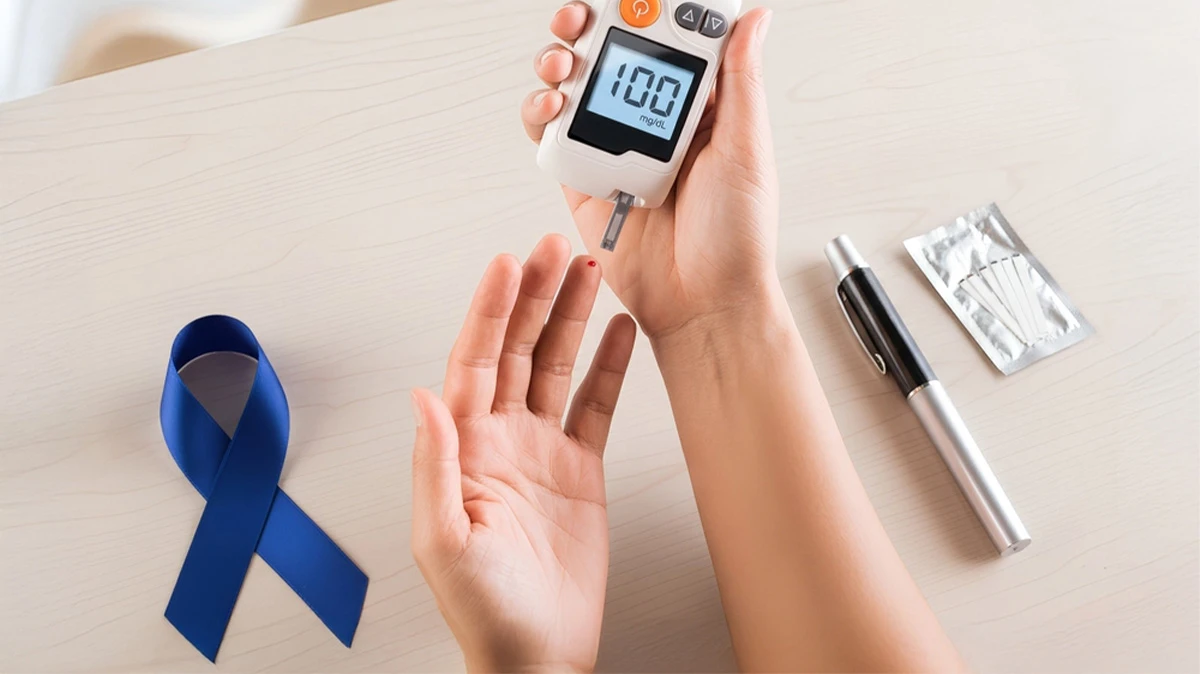
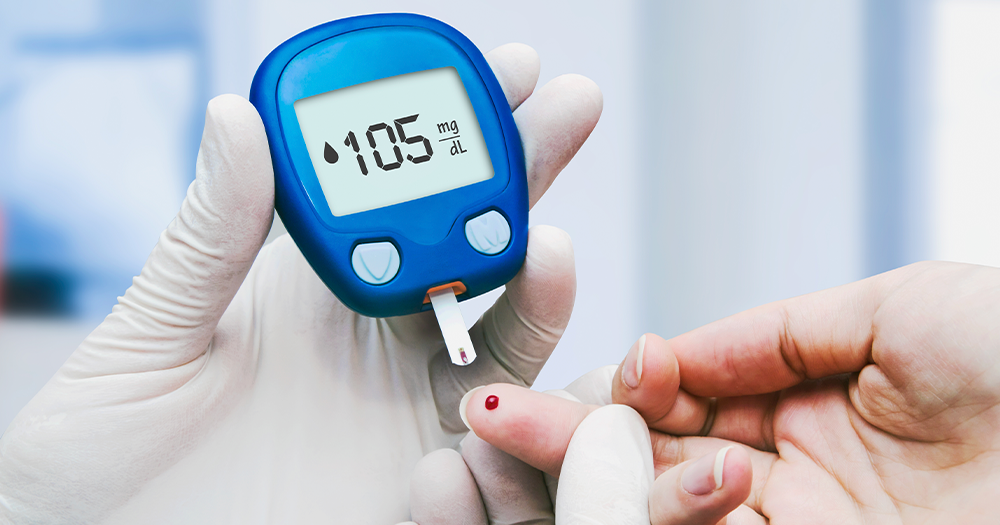
Tests such as Fasting Plasma Glucose (FPG) and HbA1c can be used to assess blood glucose and help identify prediabetes or diabetes in appropriate individuals.
6. Osteoporosis
Osteoporosis is a condition in which bone strength is reduced, increasing the risk of fractures.
The condition often causes no symptoms in the early stages, and some people may not know that bone mass has decreased until a fracture occurs.
Risk increases with age and may also be associated with other factors such as postmenopausal status, a history of fractures, use of certain medications, and some diseases or medical conditions.
Bone Mineral Density (BMD) testing can be used to assess bone density and help evaluate fracture risk in people with an indication for testing.
In addition to testing, appropriate exercise, adequate nutrition, and fall prevention are all important for bone health.
7. Chronic Kidney Disease
Chronic kidney disease can progress gradually, and many people may have no clear symptoms in the early stages.
As kidney function declines further, symptoms such as fatigue, nausea, loss of appetite, swelling, or changes in urination may occur.
Blood and urine tests can help assess kidney health, especially in people with risk factors such as diabetes, high blood pressure, heart disease, or a family history of kidney disease.
Detecting abnormalities in the early stages allows a doctor to assess possible causes and risk factors and plan appropriate follow-up and health care.
Why is preventive health screening important?
Having no symptoms does not always mean that there is no health abnormality.
Appropriate health screening can help assess risk factors and identify certain abnormalities that may not yet be causing symptoms.
However, a health check-up is not a test for every disease at once and cannot guarantee that every disease will be detected.
Appropriate tests should be selected based on:
- Age
- Sex
- Personal medical history
- Family history
- Behaviors and lifestyle
- Individual risk factors
- Medical indications
An abnormal result may require additional testing or medical evaluation before it can be concluded that a disease is present.
Who should consider preventive health screening?
Health screening can be considered both for people with symptoms and those who still feel well, especially people who:
- Want to assess their health and personal risk factors
- Have a family history of certain diseases
- Have metabolic or cardiovascular risk factors
- Have low physical activity or spend long periods sitting
- Have behaviors or environmental exposures that may increase health risks
- Are getting older and want ongoing health monitoring
The important point is not to have the greatest number of tests, but to select tests that are appropriate for each individual’s risk.
Know your risk before warning signs appear
The body does not always show warning signs when an abnormality is present.
Appropriate preventive health screening is therefore part of proactive health care. It can provide information about our health and risk factors, which can then be discussed with a doctor to plan appropriate care.
Know your risk, detect abnormalities early, and plan appropriate health care for long-term well-being.
Frequently Asked Questions (FAQs)
1. If I feel healthy, do I still need a health check-up?
Even without symptoms, appropriate health screening may help assess risk factors and identify certain abnormalities that may not yet cause symptoms, such as high blood pressure or abnormal blood glucose or lipid levels.
However, it is not necessary to test for everything. Test selection should consider age, sex, medical history, and individual risk factors.
2. Can a health check-up detect every disease?
No. A health check-up cannot detect every disease.
Each type of test has different purposes and limitations. Health screening should be selected according to each individual’s risks and indications.
3. Does an abnormal test result mean I have a disease?
Not always.
Abnormal screening or health check-up results can have many causes, and further testing may be needed to confirm or evaluate the abnormality in more detail.
4. At what age should health screening begin?
There is no single age that is appropriate for everyone. Screening should consider age, sex, medical history, family history, and risk factors.
People with certain risk factors may need evaluation earlier than the general population.
5. Does everyone need a health check-up every year?
Not everyone needs the same set of tests every year. The frequency and type of testing should depend on age, level of risk, previous results, and medical advice.
The key to health screening is therefore not “testing as often as possible,” but “testing appropriately.”
Medical note: This article is provided for health education and basic screening information. It cannot replace diagnosis or medical advice. Each type of health check-up and screening test has different indications, benefits, and limitations. An abnormal result does not always mean disease and may require additional testing or medical evaluation to support diagnosis and individualized care planning.