Nura detects precancerous changes early
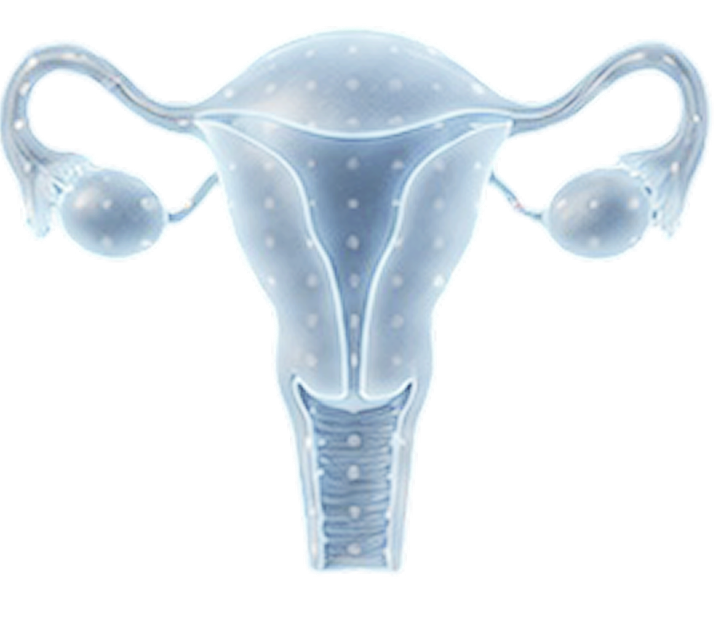
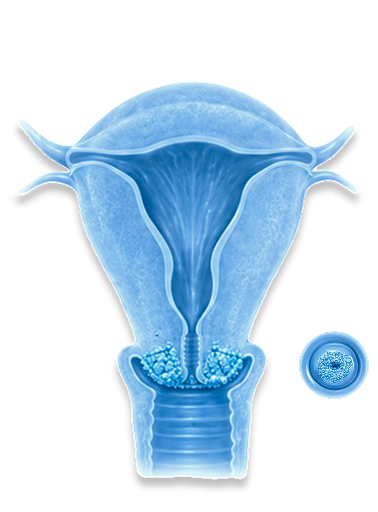
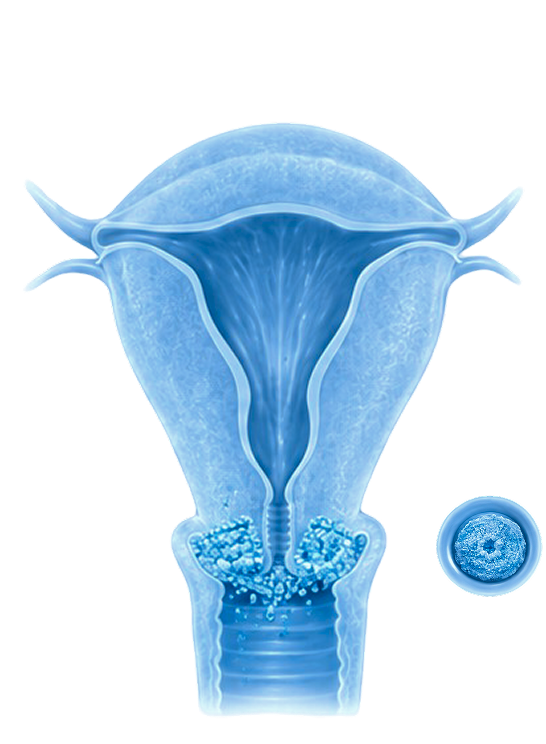
Cervical cancer develops in a woman’s cervix (the entrance to the uterus from the vagina). 99% of cervical cancer cases are linked to long term infection with the extremely common, but high risk, human papillomaviruses (HPV), which is transmitted through sexual contact.
Although the HPV vaccination reduces the possibility of developing cervical cancer later in life, regular screening is a must as the vaccine does not protect against all types of the virus.
It is the second most common cancer among Indian women. It can be easily prevented, as it has a long pre-cancerous phase which can be detected if women screen themselves regularly.
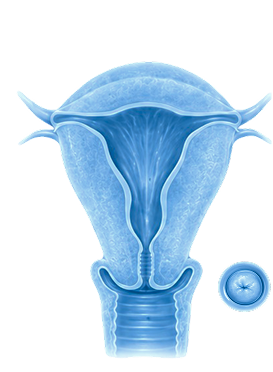
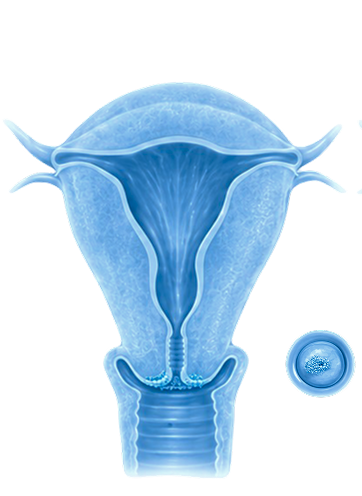
How Cervical Cancer Develops?
Most cervical cancers are squamous cell carcinomas, where the cancer begins in the thin, flat cells or squamous cells which line the outer part of the cervix.